




Far from the greenery that draws most people to Dhofar, a coastal drive towards Mirbat has always been part of my Khareef trip. I do it for the seafood, something I think should be firmly established by now, especially for anyone visiting Dhofar for the first time.
The journey east from Salalah takes you past some of the season’s most familiar attractions. There is Taqah, followed by the turn towards Wadi Darbat, where green hills, waterfalls and long lines of vehicles have become part of the annual Khareef ritual. Continue along the coast, however and the scenery begins to change. The mountains remain green and misty in the distance, but the landscape closer to Mirbat becomes greyer, rougher and more exposed to the sea.
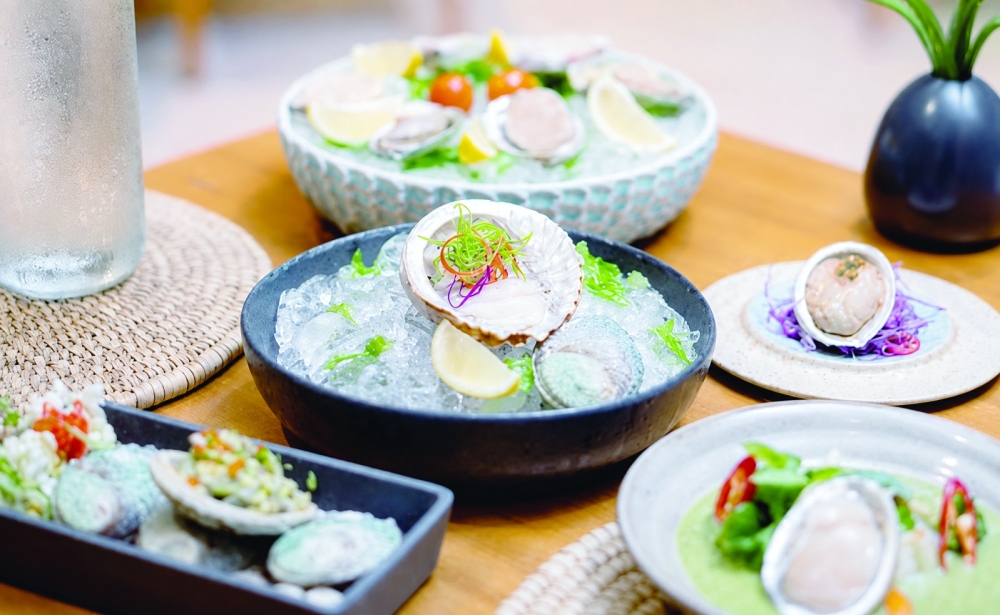
It is here that my attention usually shifts from the view to a more pressing question: what are we having for lunch?
I am hardly alone. In discussions about road trips through eastern Dhofar, seafood comes up repeatedly. Online, one visitor recommended stopping in Mirbat for “fresh seafood by the sea”, describing the weather and food as equally memorable. Another reviewer called a local seafood restaurant a “great place to finish long trips around Salalah”. A family staying nearby returned to the same restaurant three times, praising the fresh fish, curries, sea view and prices compared with the international menu at their hotel.
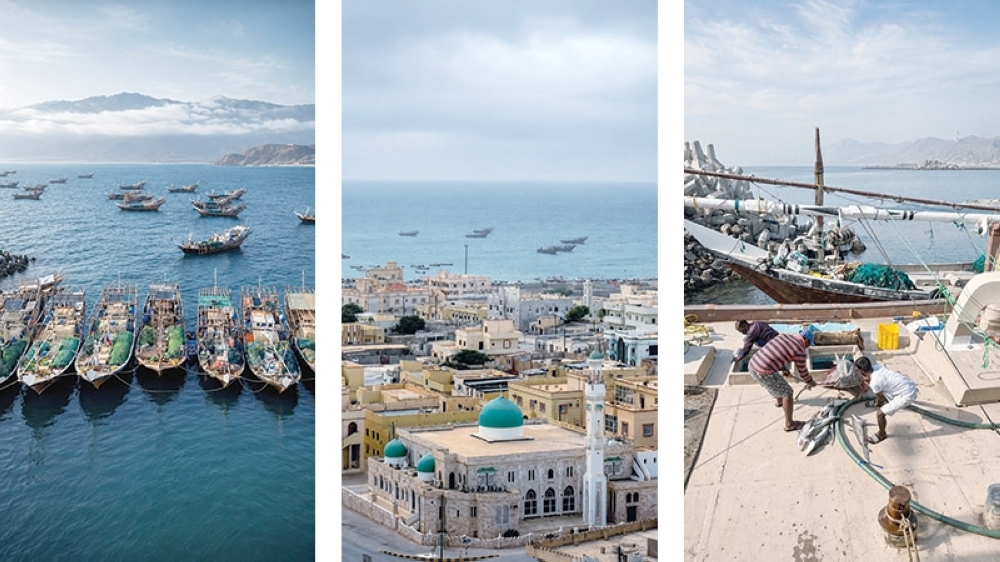
These comments make sense once you reach Mirbat’s fishing port. This is not a waterfront designed purely for tourists. Boats still come and go, fishermen bring in their catch and the fish market provides a look at the working life of the town. Depending on the season and the day’s catch, the counters may carry hamour, shaari, tuna, squid, octopus, lobster, crab and other fish whose local names many visitors will be hearing for the first time.
There is also a belief among people who know Mirbat’s waters that Khareef can be tasted in the seafood. Local guide Raid Jouhar said that “during the monsoon season you get the best tasting fish”, adding that Mirbat residents who eat fish daily can notice the difference. It is an intriguing thought: that the season visitors normally experience through mist, rain and greenery might also reveal itself on a plate.
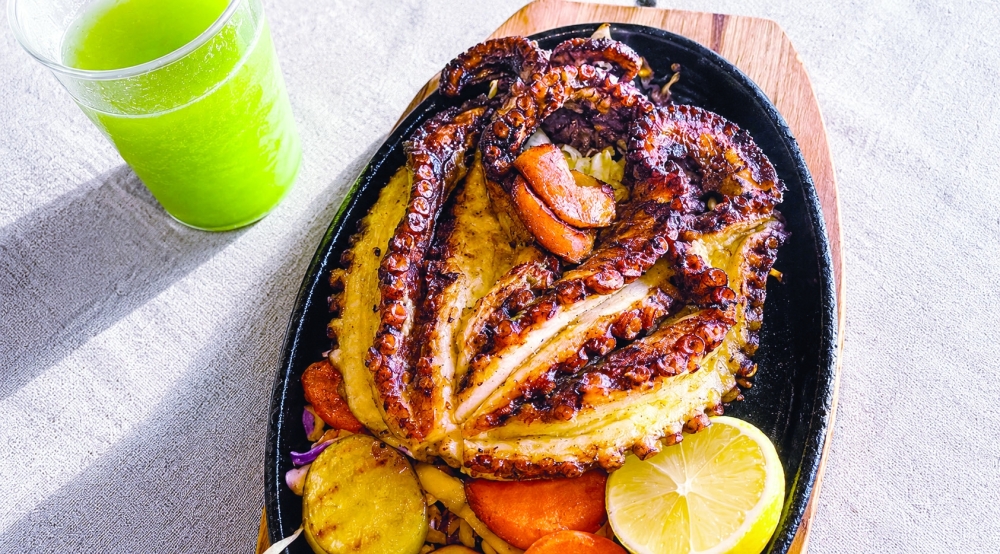
The best way to experience it is without overcomplicating things. Ask what was caught that morning, choose a fish and have it grilled or cooked in a local curry. Add rice, bread and a sharp sauce, then find a table overlooking the water. Mirbat also has its mishkak stalls, where skewers are grilled over charcoal and served with a dark, spicy tamarind sauce. For a more polished interpretation of the coast, SeaSalt at Alila Hinu Bay serves seafood from local waters in a quieter, luxury setting.
Lunch, however, should not be the end of the visit.
Mirbat was once an important maritime town, trading frankincense, horses, dates, ghee, leather and imported goods with ports across India, East Africa, Yemen and the Gulf. The horse statues at its entrance recall its reputation as a breeding and trading centre for Arabian horses.
Near the waterfront, Mirbat Castle overlooks the old port and historic market. From there, it is worth walking through the old quarter, where coral-stone houses, carved doors and weathered walls hint at the wealth once created by maritime trade. Some visitors call the area picturesque; others describe it as gritty or neglected. Both impressions are true. Mirbat’s old town is beautiful precisely because it has not been polished into a perfect tourism set, but its deterioration also makes current calls for restoration increasingly urgent.
The nearby old souq contains 53 shops and was once both a marketplace and a community gathering point. Proposals to restore it include cafés, craft outlets, seasonal markets and better connections between the souq, castle, mosque and waterfront. If handled carefully, the project could give visitors a reason to stay longer while creating opportunities for local families.
A visit can also include the distinctive twin-domed Bin Ali tomb, the cemetery and a slow drive along the coast. The beaches are hauntingly beautiful during Khareef, although the sea can be rough and swimming is often unsafe. This is a season for watching the waves rather than underestimating them.
Mirbat may not offer the lush spectacle people expect from Dhofar. What it offers is a different reading of Khareef: in the restless sea, the morning catch, the charcoal smoke and the remains of a town that once looked outward to the world.
For me, that is reason enough to keep making the drive and to arrive hungry.
Oman Observer is now on the WhatsApp channel. Click here